


Disease induced
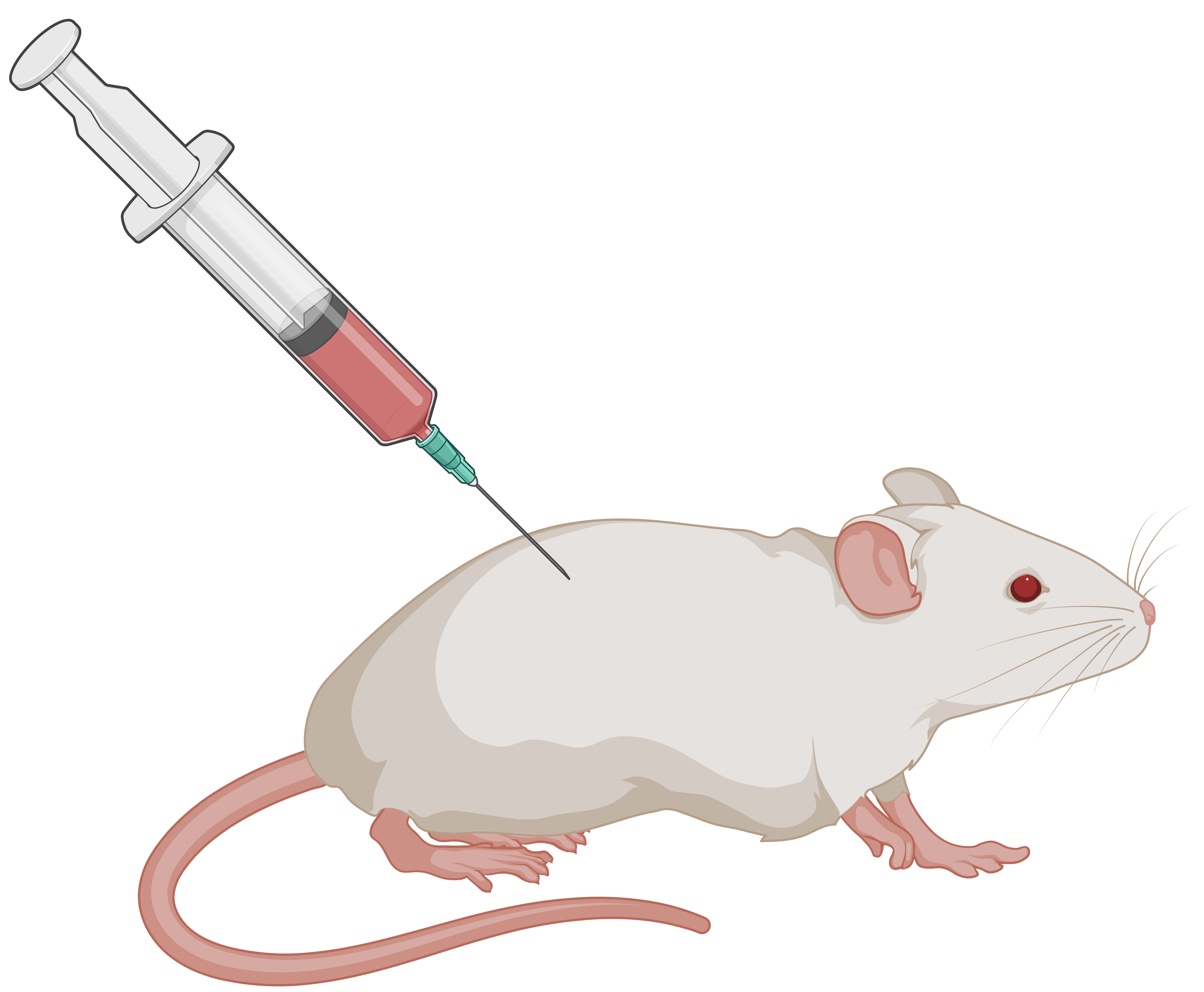
Disease-induced compounds are chemical agents used to simulate specific pathological conditions in experimental systems, such as cell cultures, organoids, or animal models.
Disease-induced compounds play a pivotal role in translational biomedical research, allowing researchers to reproduce key features of human diseases under controlled conditions, enabling the study of disease mechanisms and the testing of therapeutic interventions. For example, neurotoxins such as MPTP are widely used to model Parkinson’s disease by selectively damaging dopaminergic neurons, while streptozotocin and alloxan are used to induce diabetes through pancreatic β-cell destruction. Similarly, agents like carbon tetrachloride, bleomycin, and lipopolysaccharide are utilized to reproduce hepatic injury, pulmonary fibrosis, and systemic inflammation, respectively.
Through the application of disease-induced compounds, researchers can bridge the gap between basic molecular research and translational medicine. Their use facilitates the elucidation of disease mechanisms and supports the rational design and preclinical testing of novel therapeutic agents.
-
 A8331 Bleomycin Sulfate12 CitationSummary: DNA synthesis inhibitor
 -
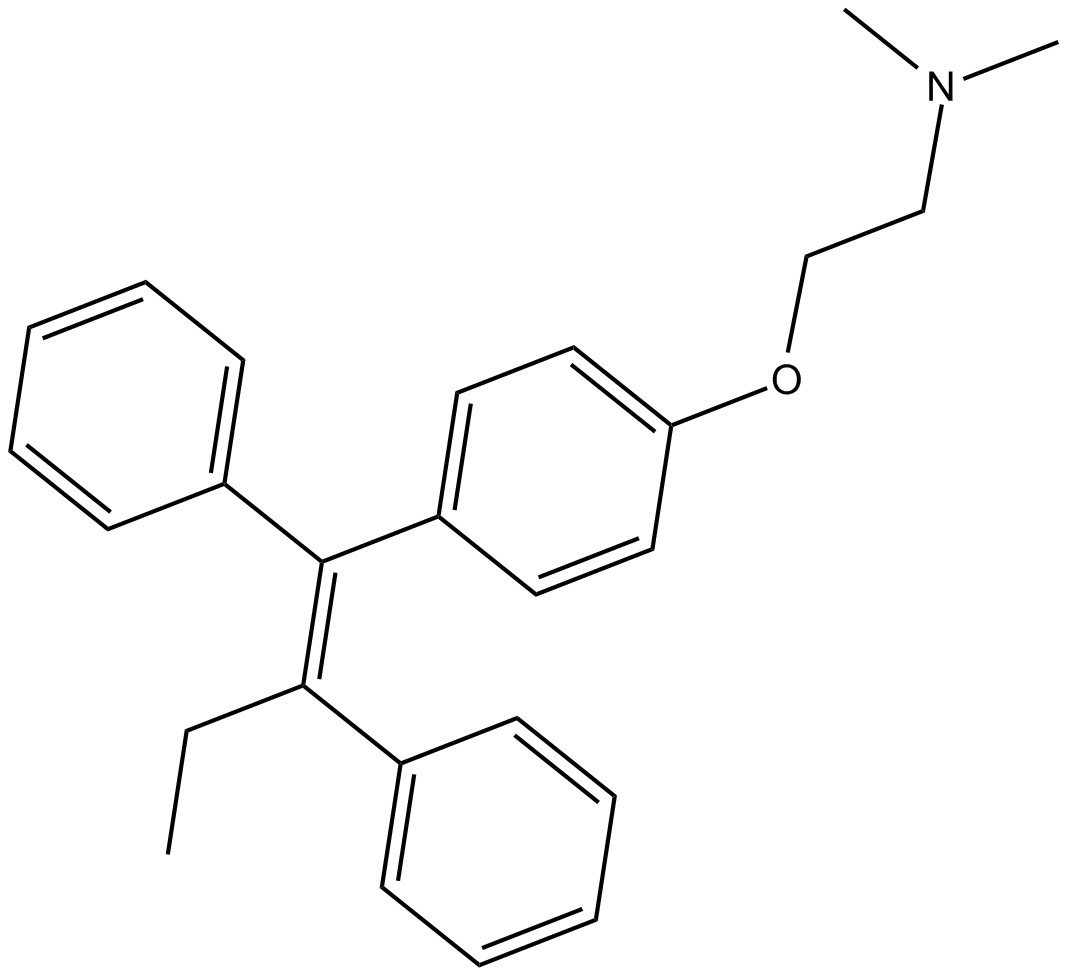 B5965 Tamoxifen22 CitationTarget: PKCSummary: estrogen receptor modulator
 -
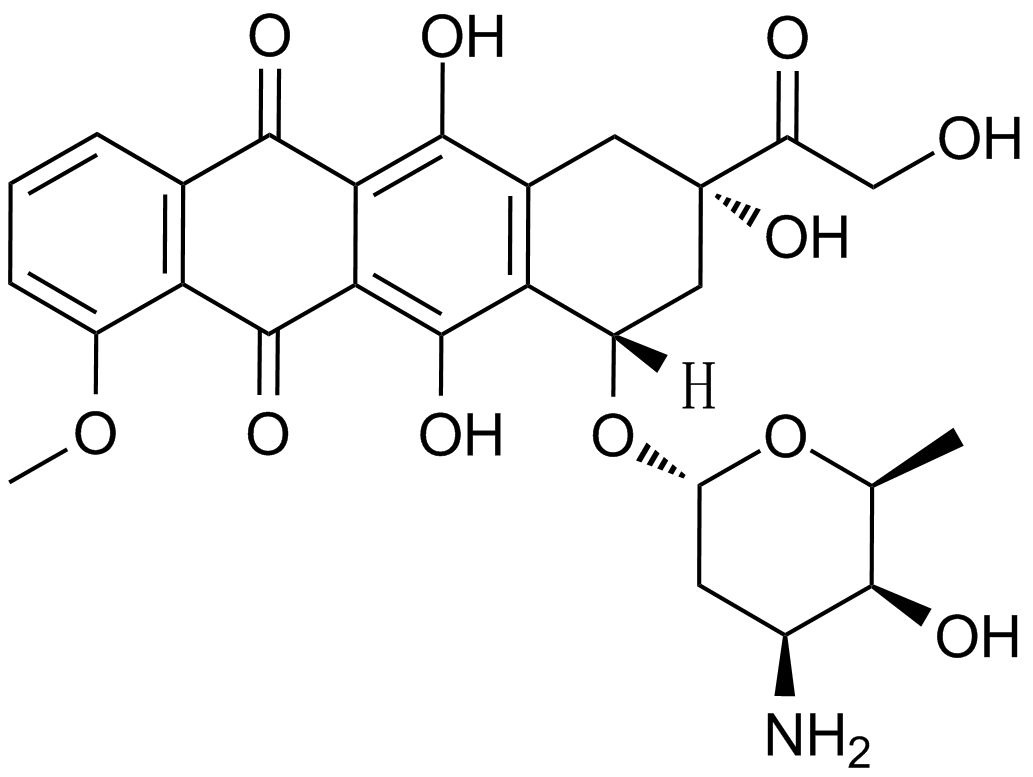 A3966 Doxorubicin37 CitationSummary: DNA topoisomerase II inhibitor
 -
 A1042 Angiotensin II28 CitationSummary: Potent vasopressor and GPCR agonist
 -
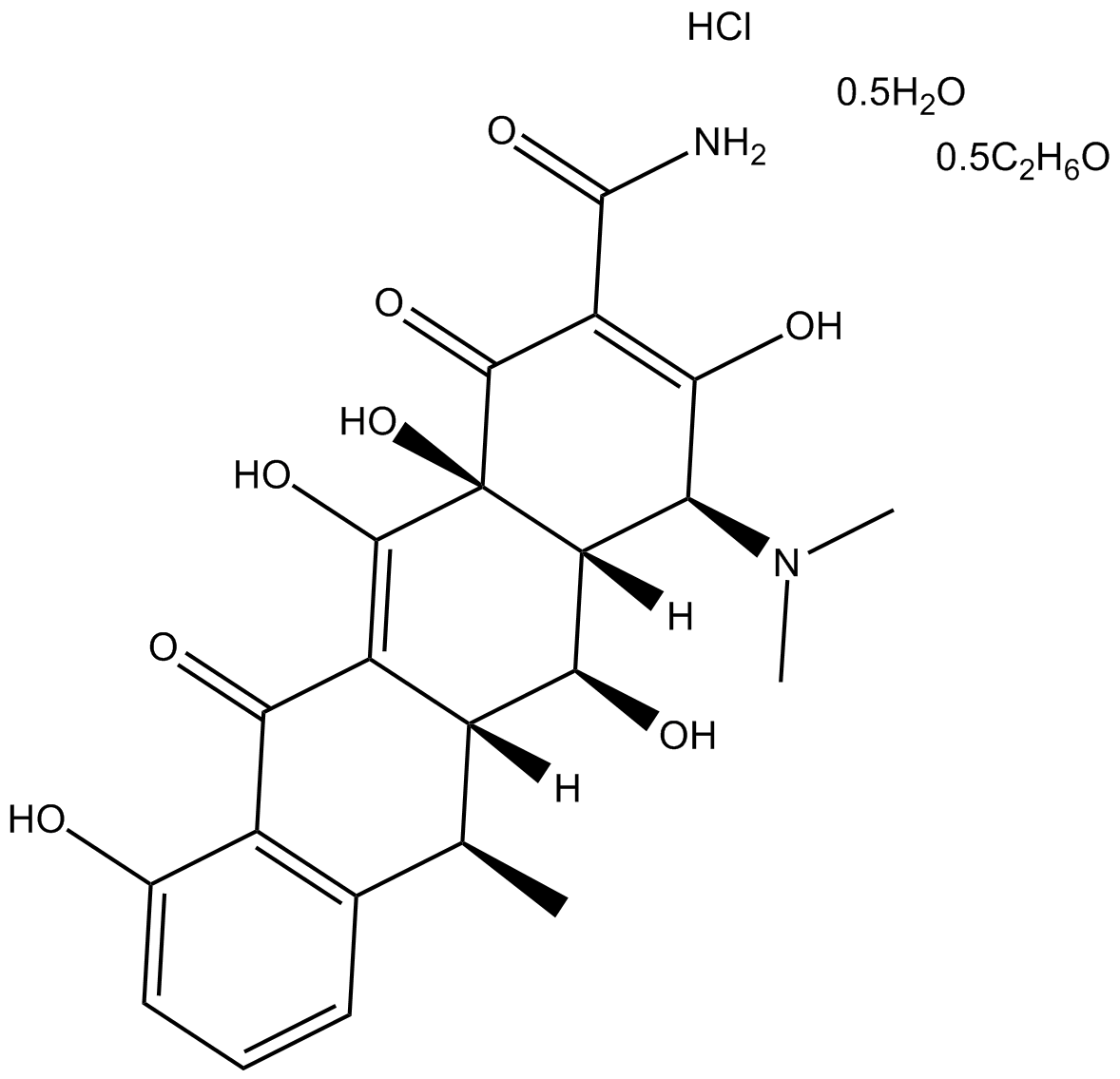 A4052 Doxycycline hyclateTarget: MMPSummary: matrix metalloproteinases inhibitor
 -
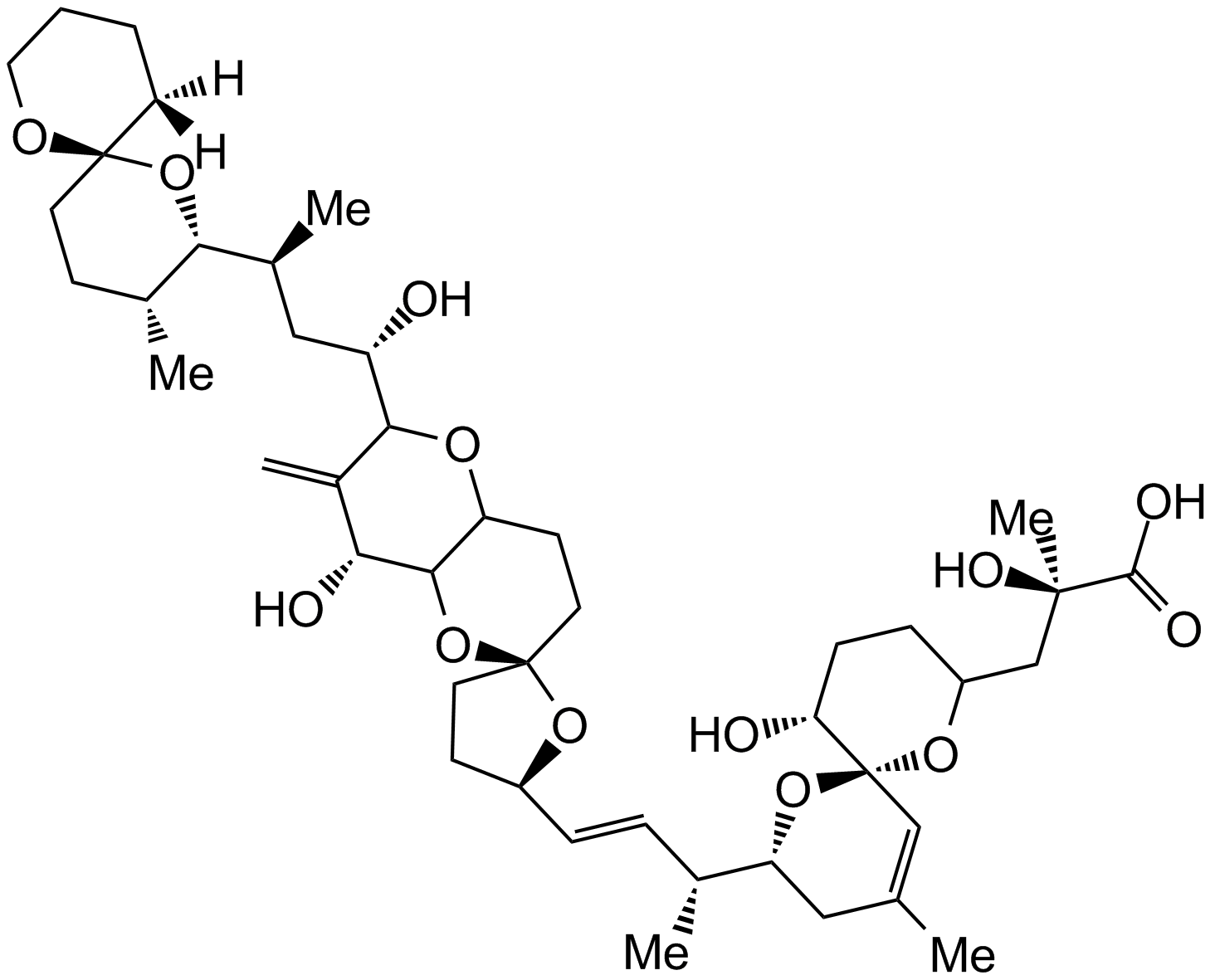 A4540 Okadaic acidSummary: Protein phosphatase 1 inhibitor
 -
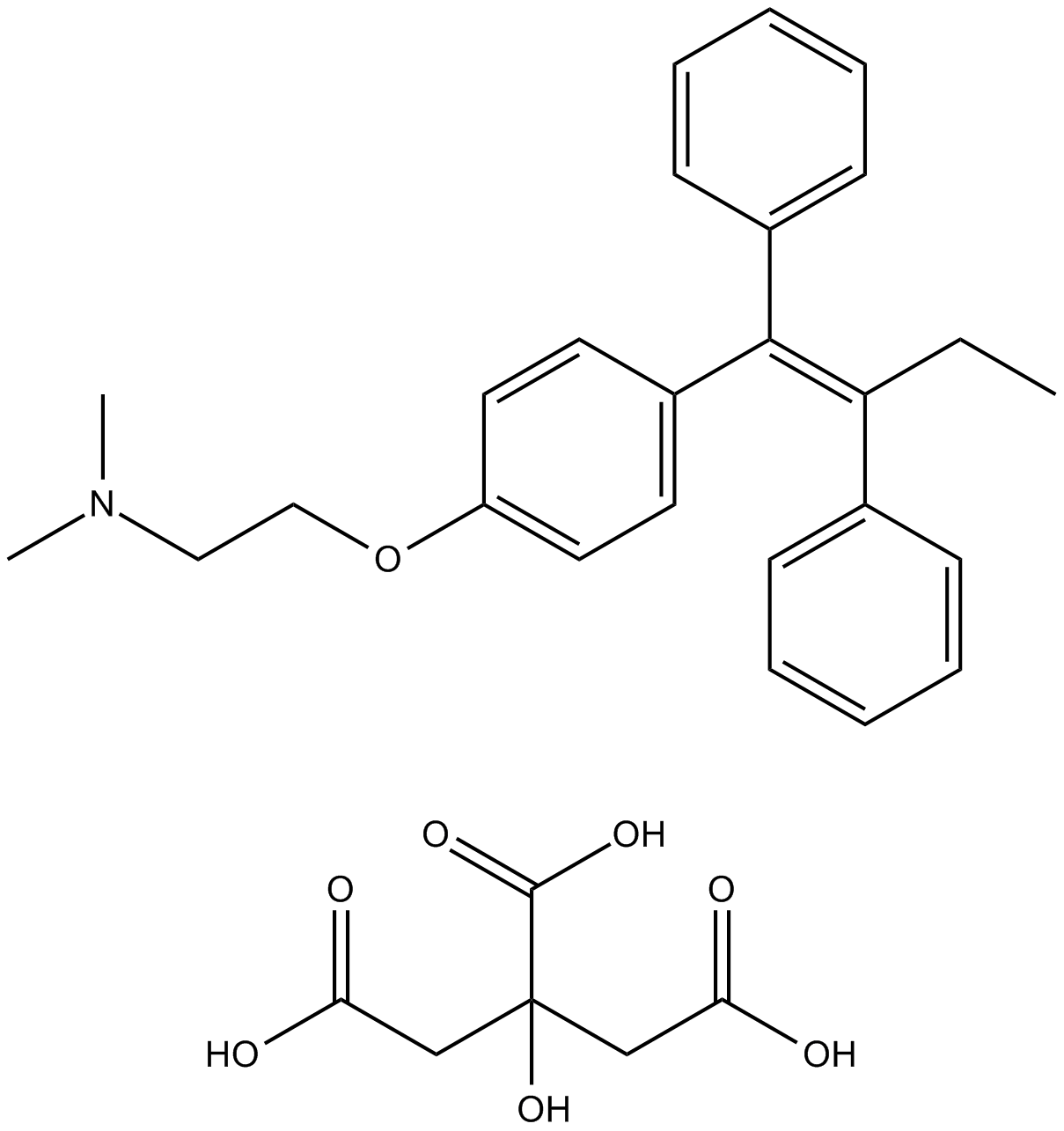 B1394 Tamoxifen CitrateTarget: Estrogen and Related ReceptorsSummary: Antiestrogen drug
 -
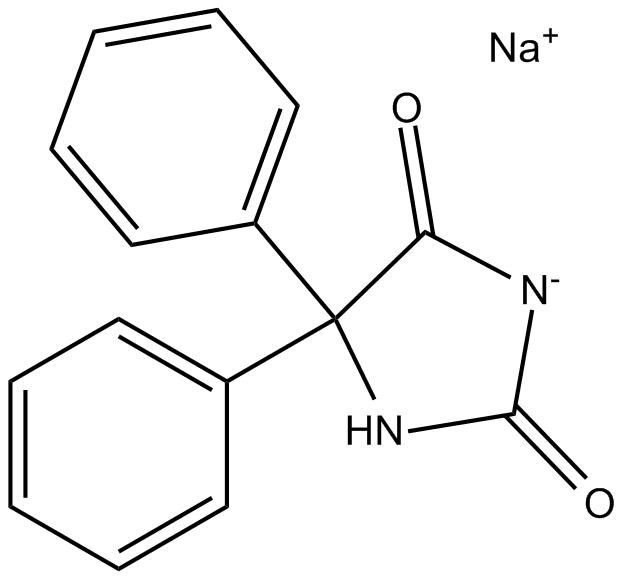 B2272 Phenytoin sodiumTarget: Voltage-gated Sodium (NaV) ChannelsSummary: Sodium channel stabilizer
 -
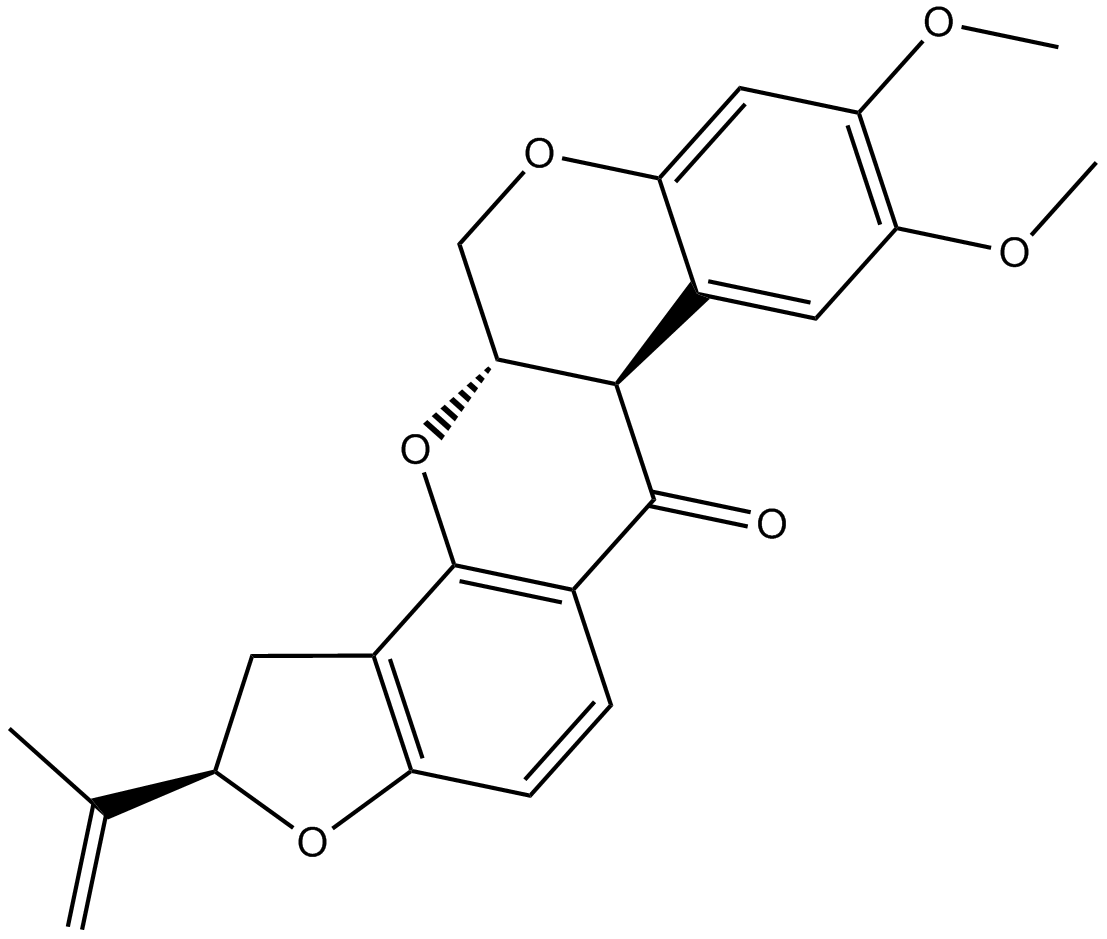 B5462 Rotenone10 CitationTarget: complex I of the mitochondrial electron transport chainSummary: mitochondrial Complex I inhibitor
 -
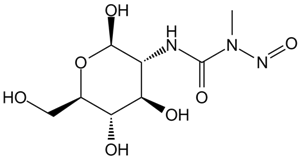 A4457 Streptozotocin7 CitationSummary: Nitrosourea compound; for type 1 diabetes animal models