


TGF-β/Smad Signaling
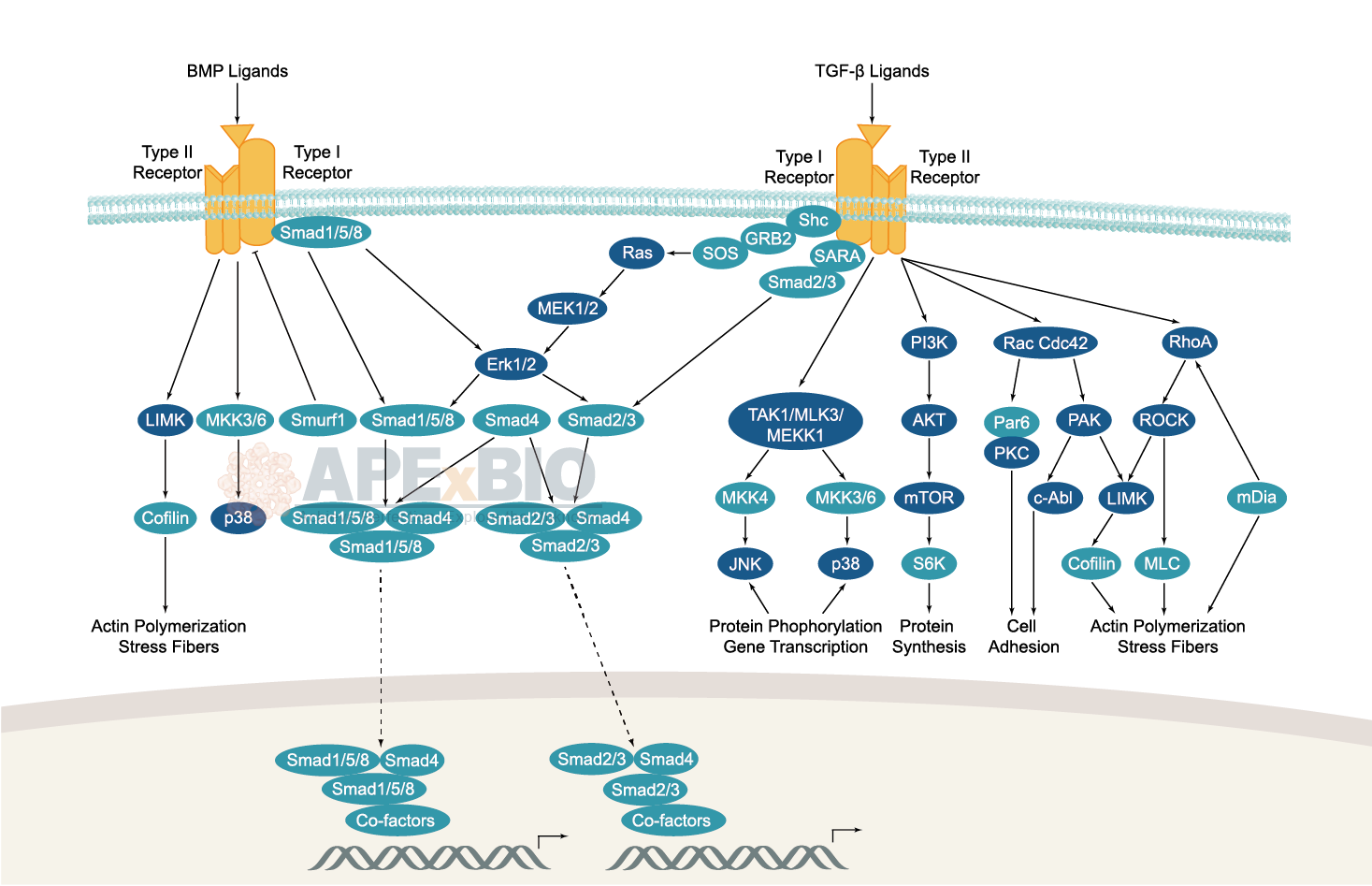
The TGF-β family is generally classified into two sub-families, TGF-β ligands, and bone morphogenic protein (BMP) ligands. In canonical signaling, receptor activation lead to phosphorylation of a group of transcription factors called Smads. TGF-β ligands bind to type II receptors (TGF-β II) which recruit and phosphorylate type I receptor (TGF-β I) on serine/threonine residues. The TGF-β I then recruits and phosphorylates a receptor regulated Smad (R-Smad). The R-Smad binds to the common Smad (Co-Smad) and forms a heterodimeric complex. This complex then translocates into the cell nucleus where it binds with nuclear co-factors to regulate the transcription of various target genes. Dysregulation of TGF-β/Smad signaling pathway is associated with a number of pathological conditions including fibrosis, cancer, immunodeficiency, diabetes and cardiovascular diseases etc.
-
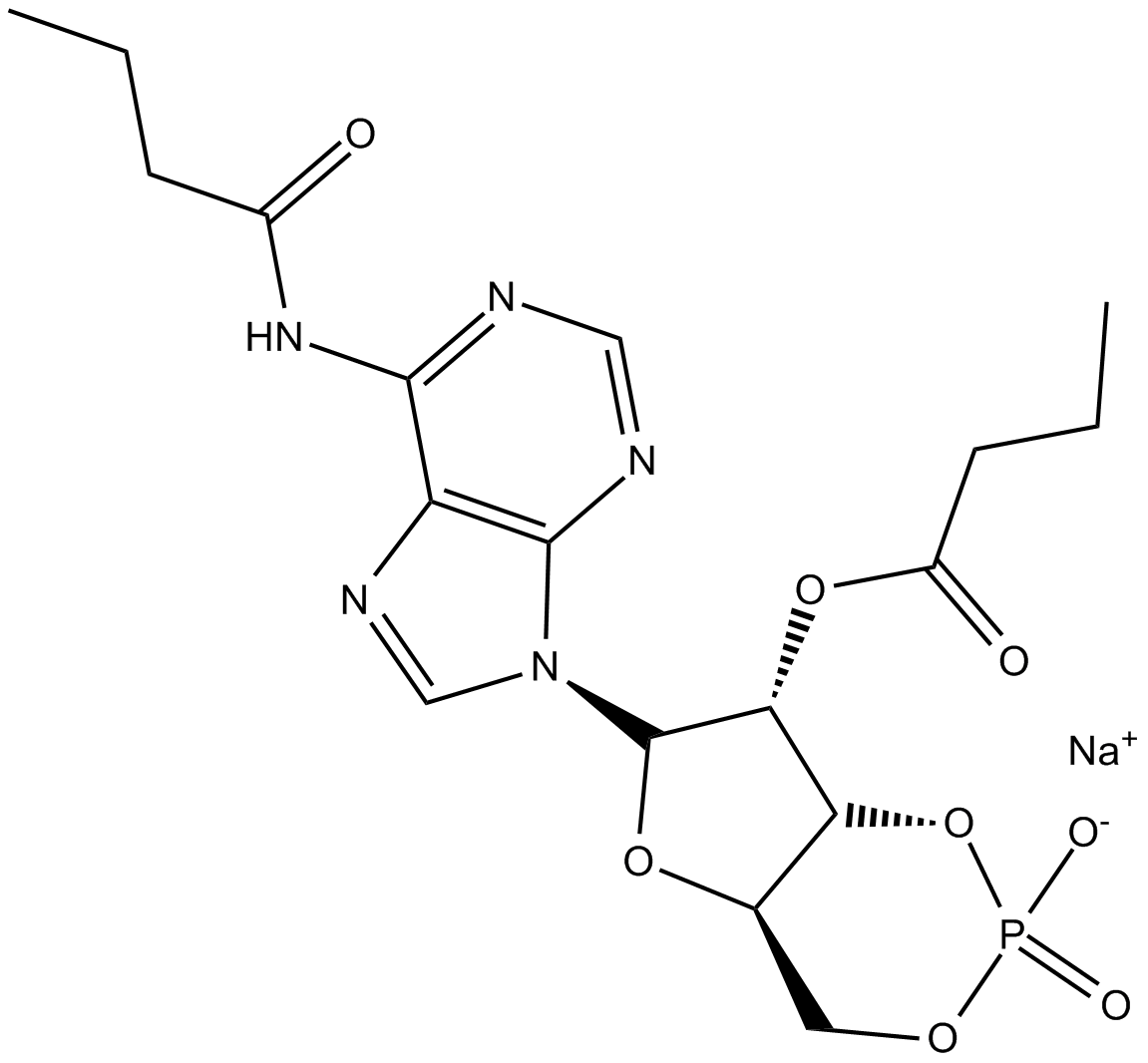 B9001 Dibutyryl-cAMP, sodium salt11 CitationSummary: cell-permeable cAMP analog
 -
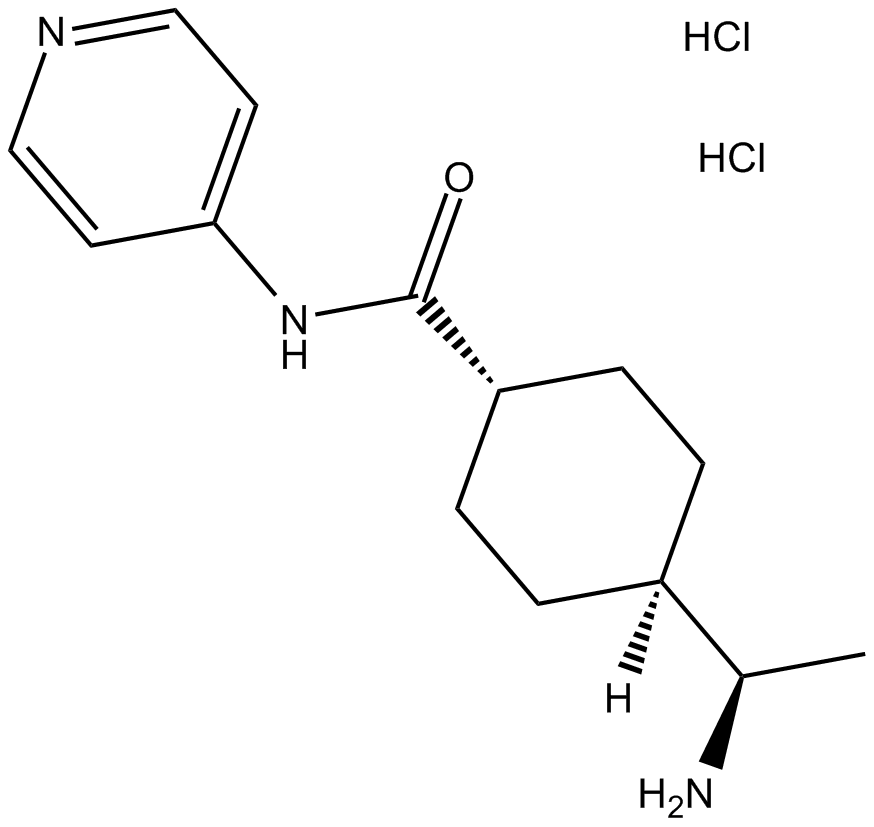 A3008 Y-27632 dihydrochloride75 CitationTarget: ROCKSummary: ROCK inhibitor
 -
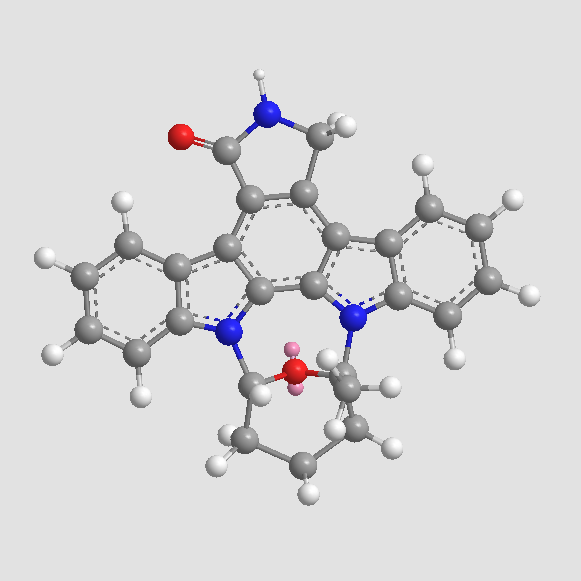 A8192 Staurosporine22 CitationSummary: serine/threonine protein kinases inhibitor
 -
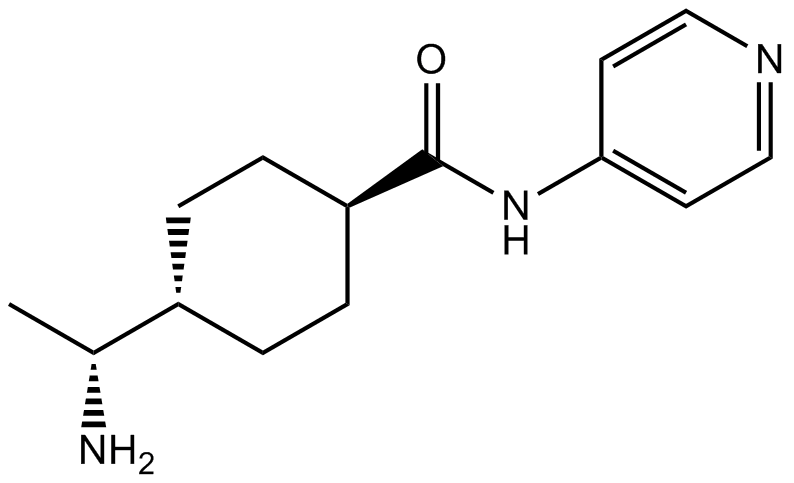 B1293 Y-2763241 CitationTarget: ROCKSummary: ROCK inhibitor
 -
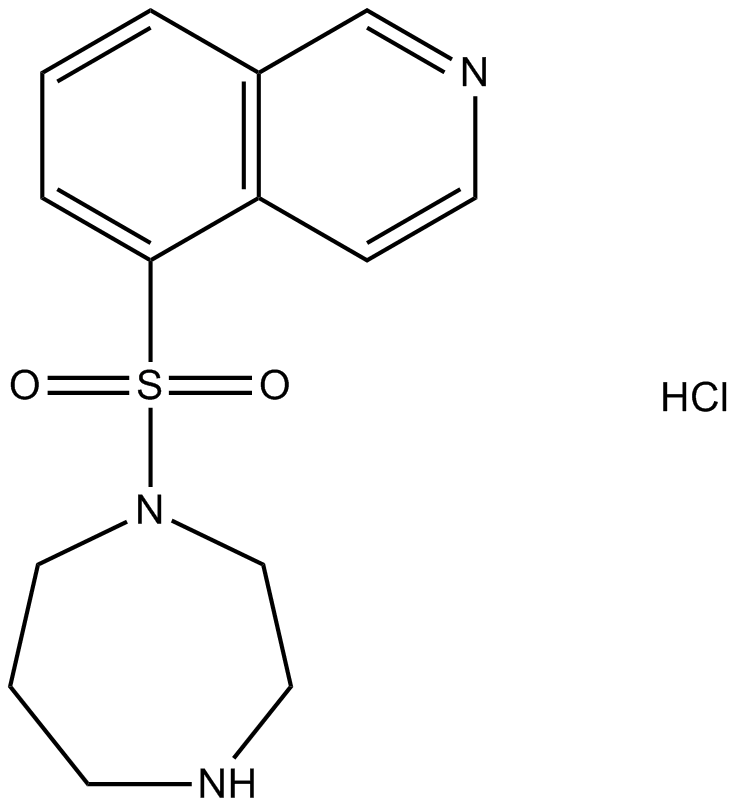 A5734 Fasudil (HA-1077) HCl3 CitationTarget: ROCKSummary: Protein kinase inhibitor
 -
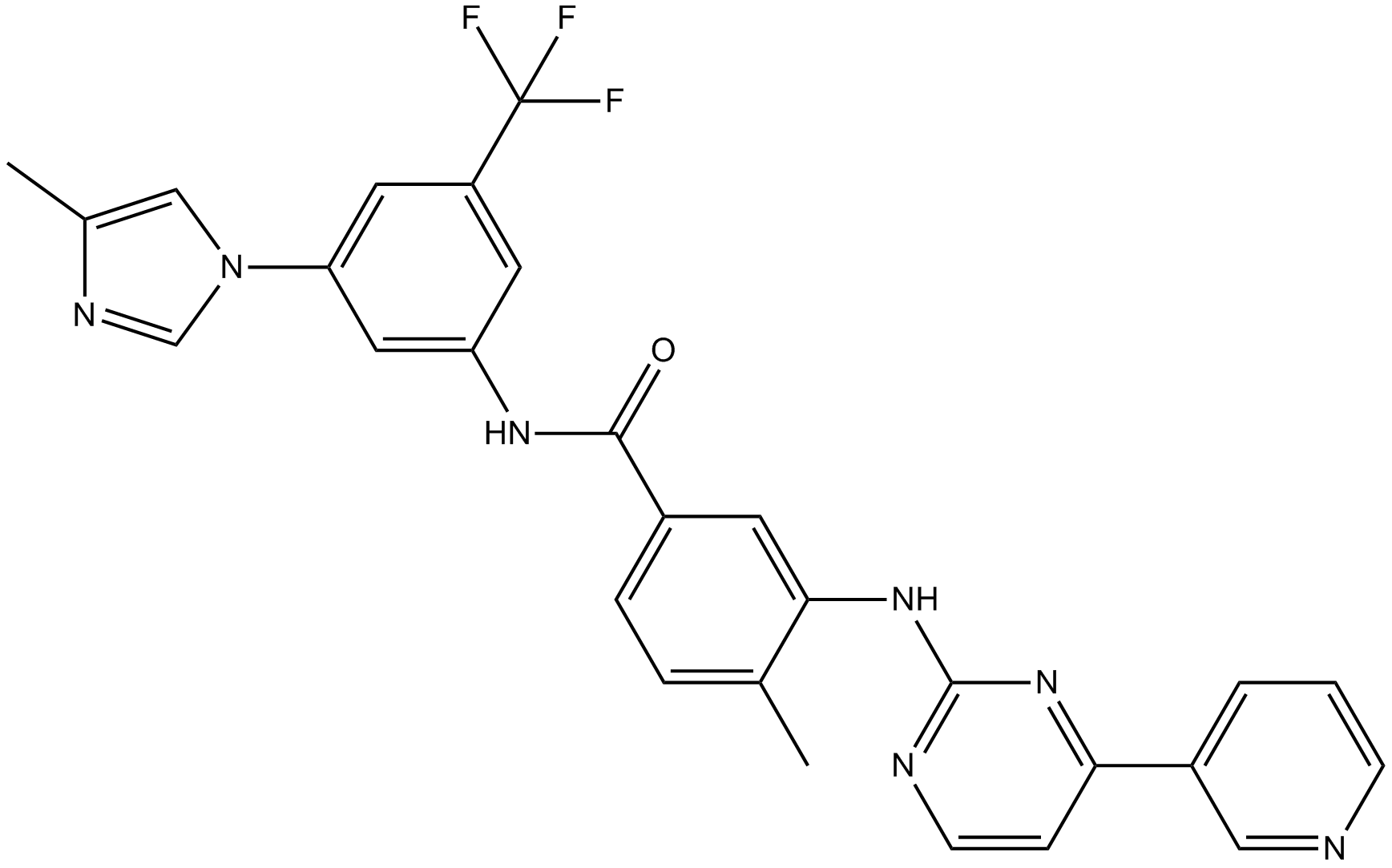 A8232 Nilotinib(AMN-107)7 CitationTarget: Bcr-AblSummary: BCR-ABL inhibitor
 -
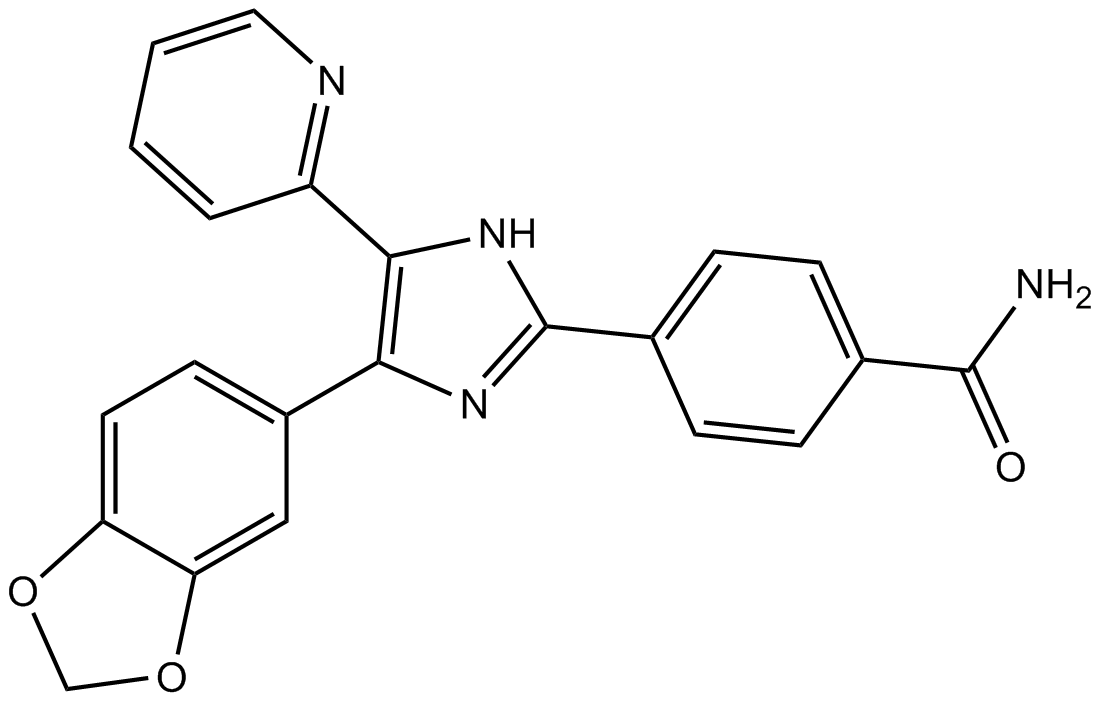 A8249 SB 43154230 CitationSummary: ALK5 inhibitor
 -
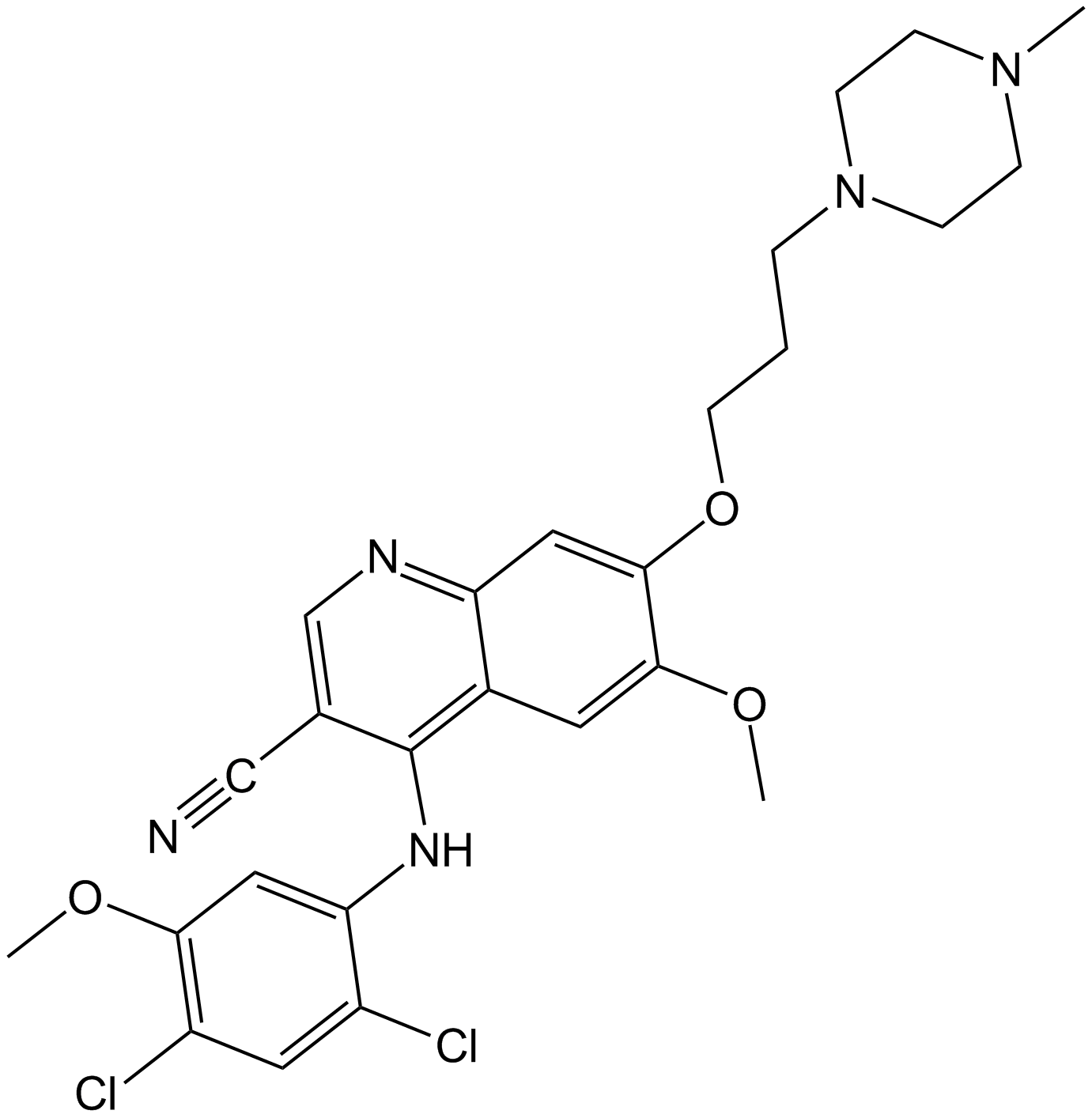 A2149 Bosutinib (SKI-606)1 CitationTarget: Bcr-Abl|SrcSummary: Potent Abl/Src kinases
 -
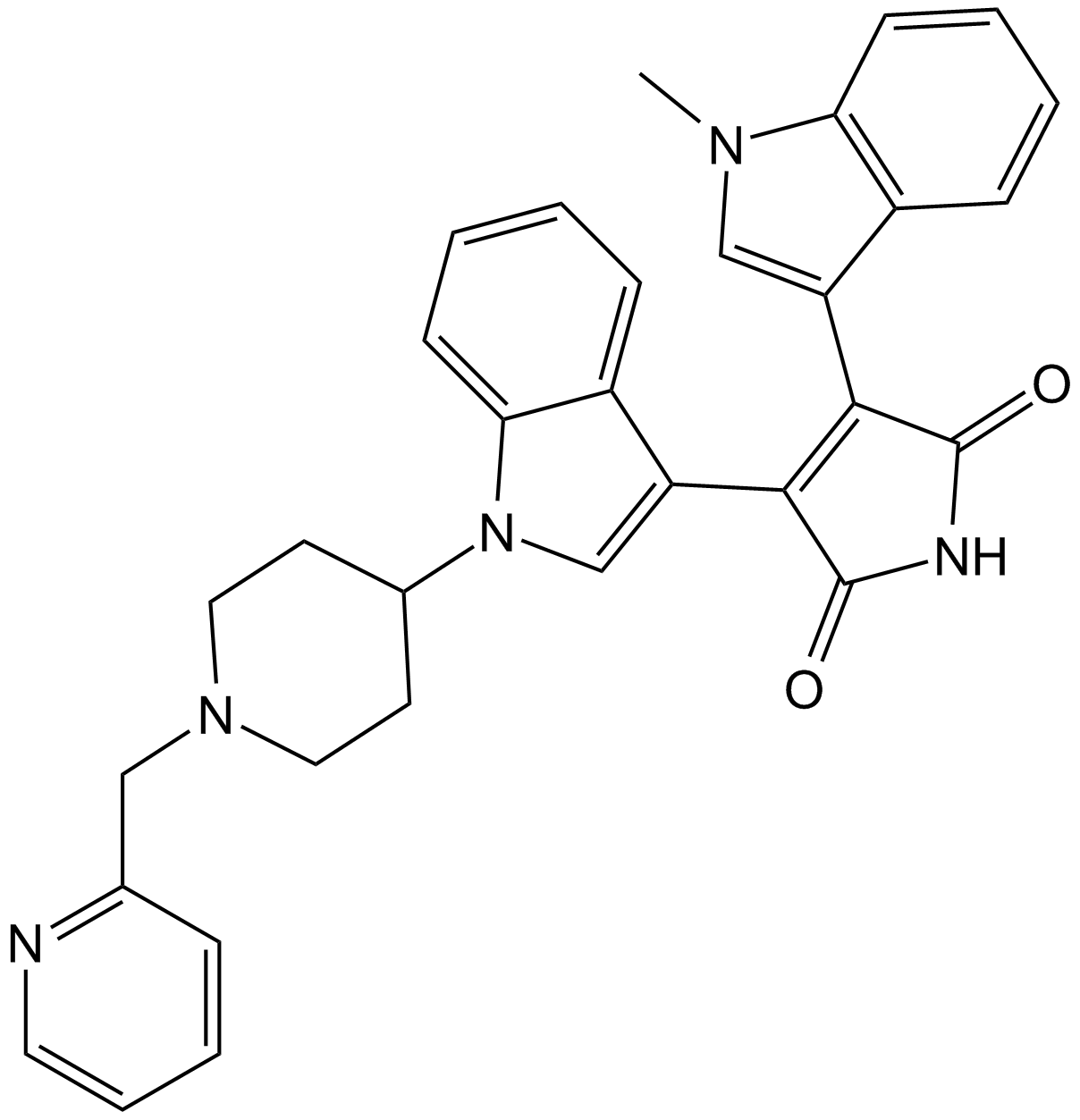 A1670 Enzastaurin (LY317615)2 CitationTarget: PKCSummary: PKC beta inhibitor,potent and selective
 -
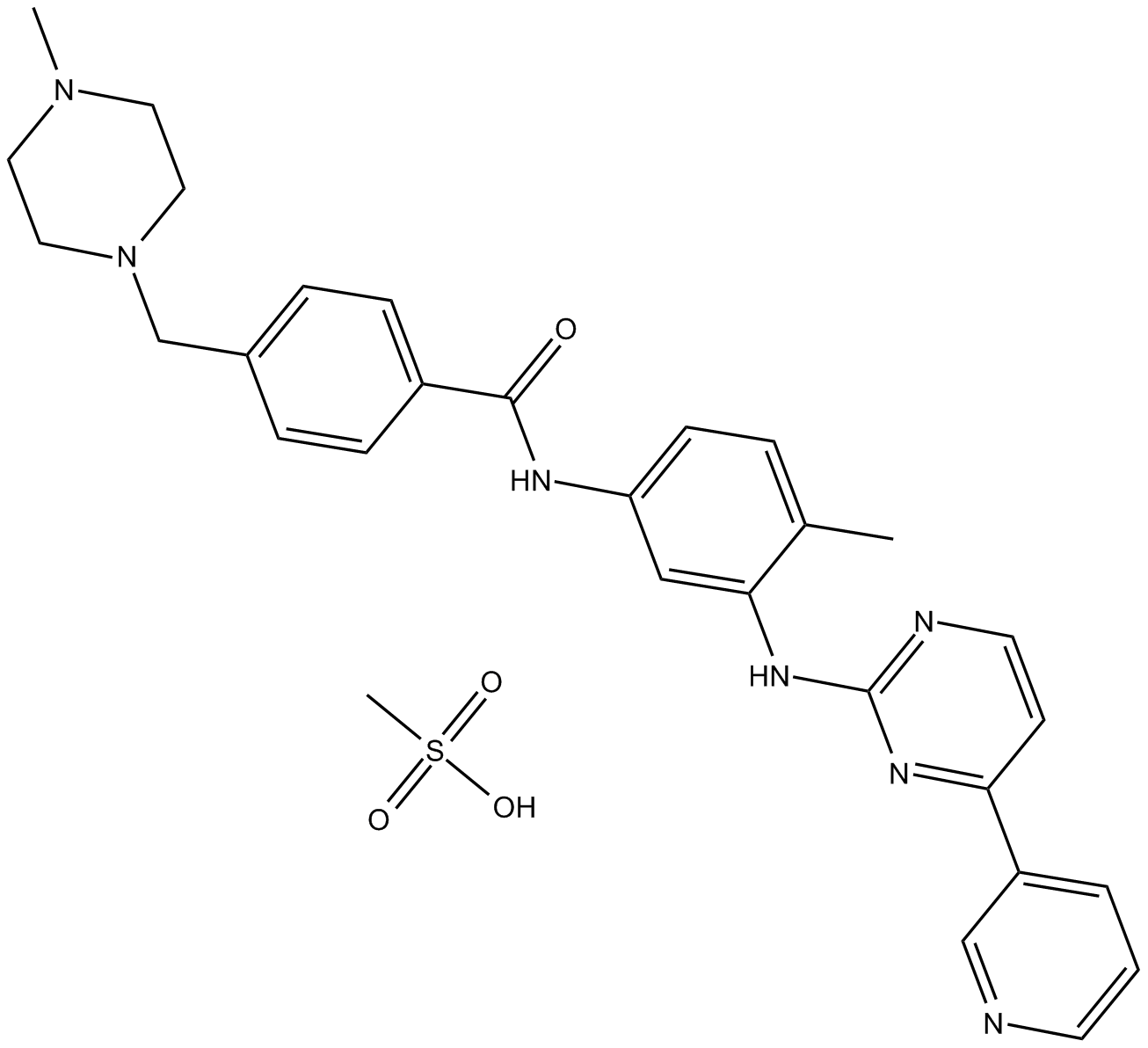 A1805 Imatinib Mesylate (STI571)2 CitationTarget: PDGFR|c-Kit|Bcr-AblSummary: Abl/c-kit/PDGFR inhibitor