


Ubiquitination/ Proteasome
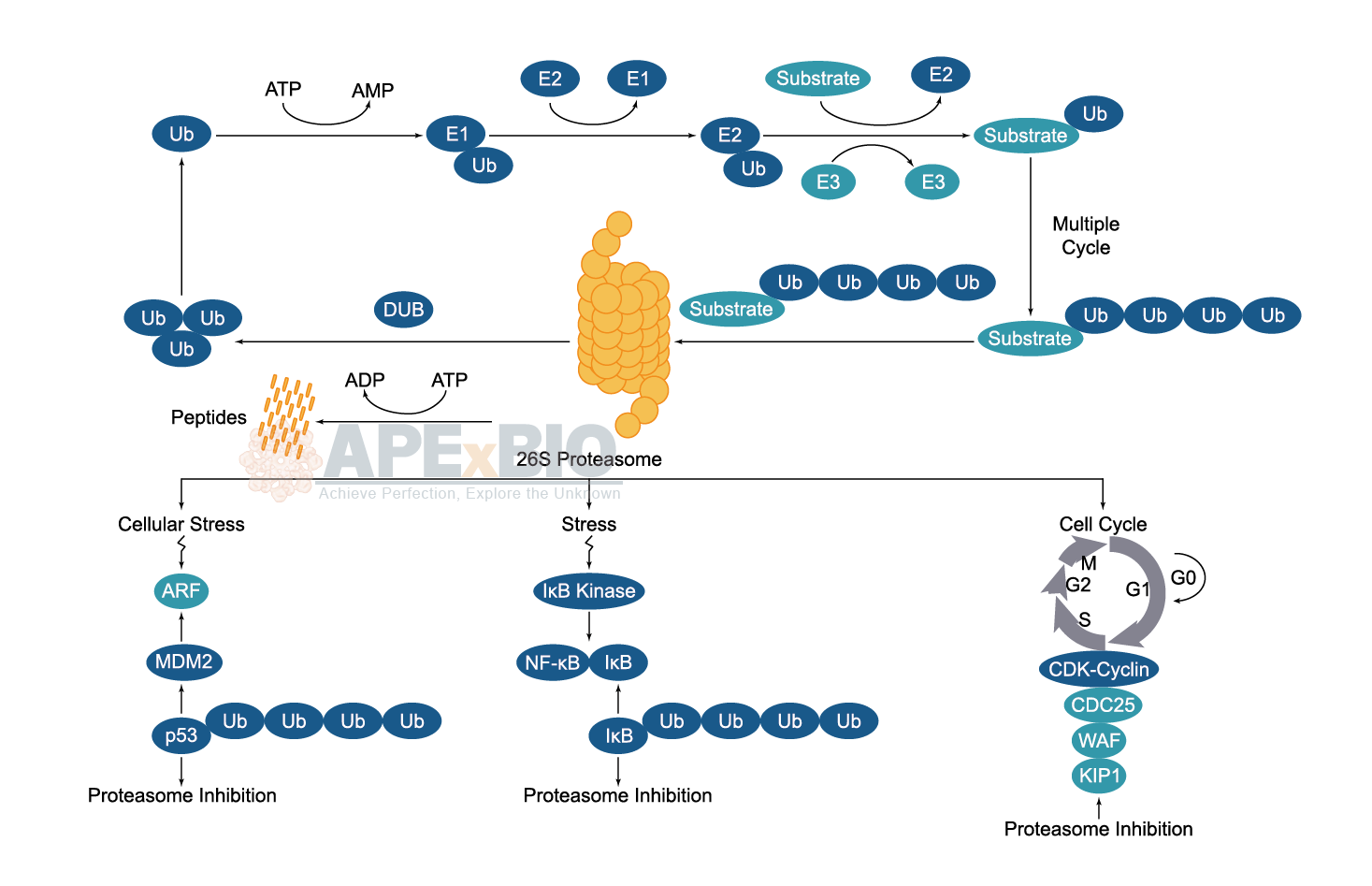
Once the substrate protein is labeled, proteasome will bind to a polyubiquitin chain, allowing the degradation of the labeled protein. The polyubiquitinated target protein is then recognized and degraded by the 26S proteasome. Deubiquitinating enzymes (DUBs) reverse the process of ubiquitination by removing ubiquitin from its substrate protein. Dysregulation of the ubiquitin-proteasome system has been linked to cancer, diabetes, cardiovascular and neurodegenerative diseases etc.
-
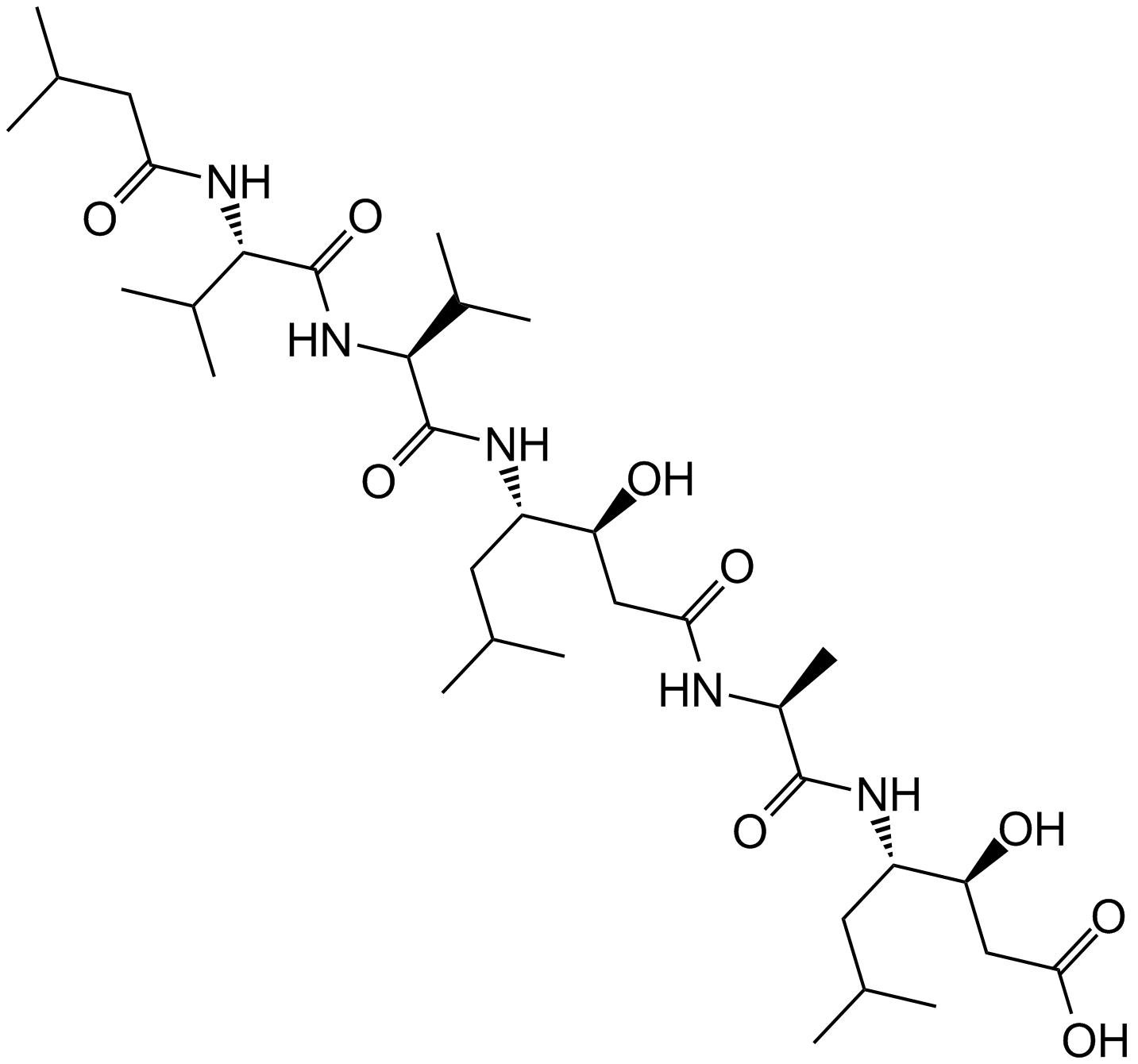 A2571 Pepstatin A9 CitationTarget: Cathepsins|Renin|HIV proteases|PepsinsSummary: aspartic proteases inhibitor
 -
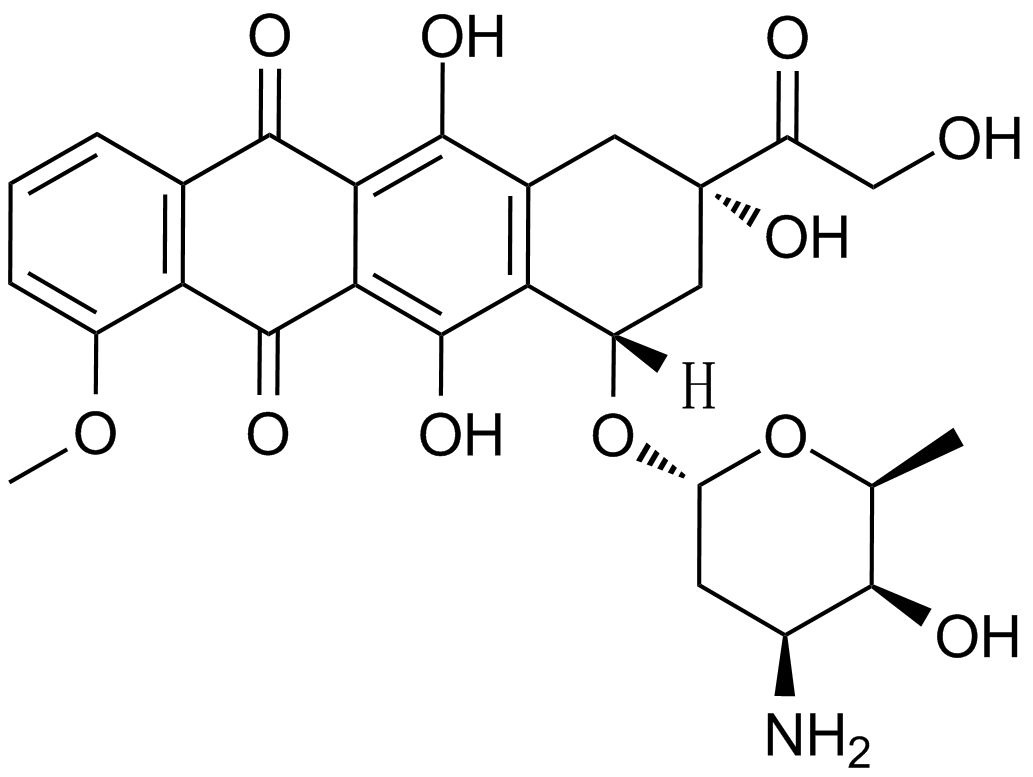 A3966 Doxorubicin37 CitationSummary: DNA topoisomerase II inhibitor
 -
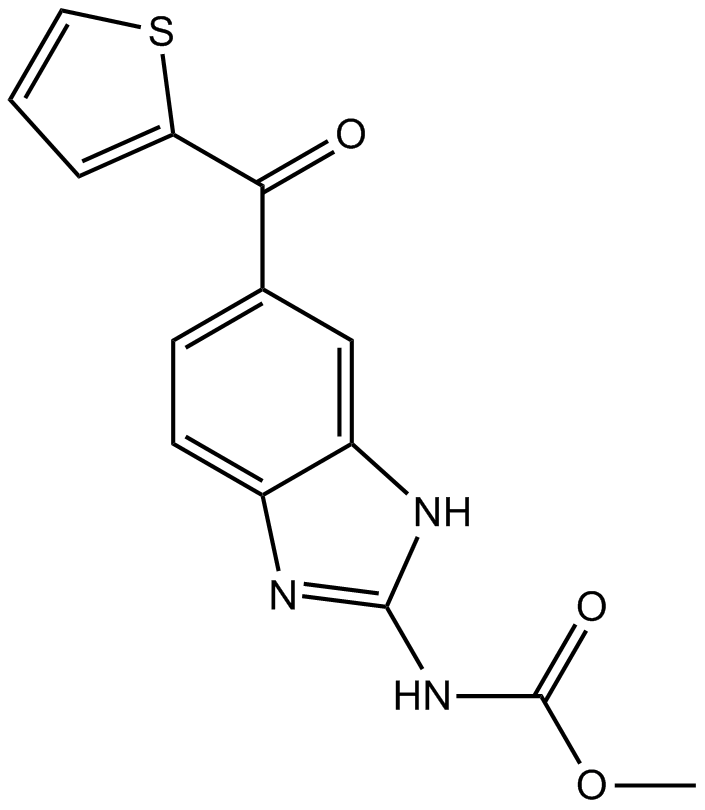 A8487 Nocodazole8 CitationTarget: Microtubules/TubulinsSummary: microtubule polymerization inhibitor
 -
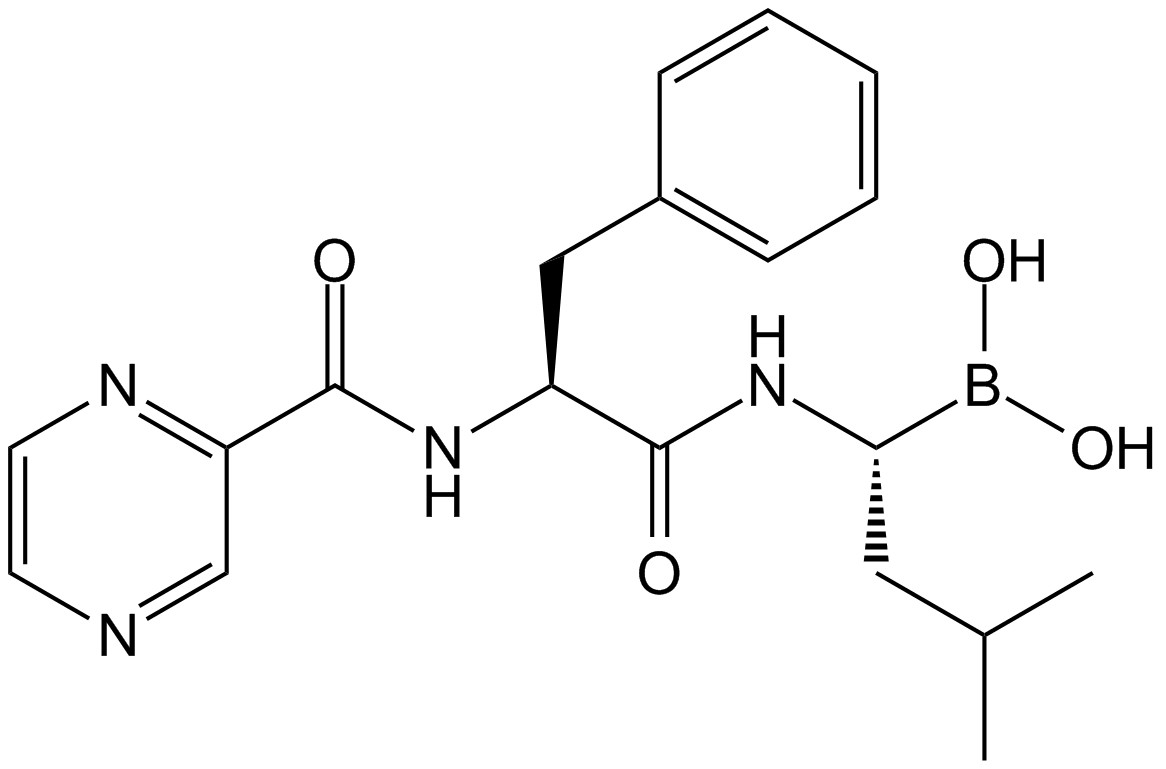 A2614 Bortezomib (PS-341)54 CitationTarget: ProteasomeSummary: proteasome inhibitor
 -
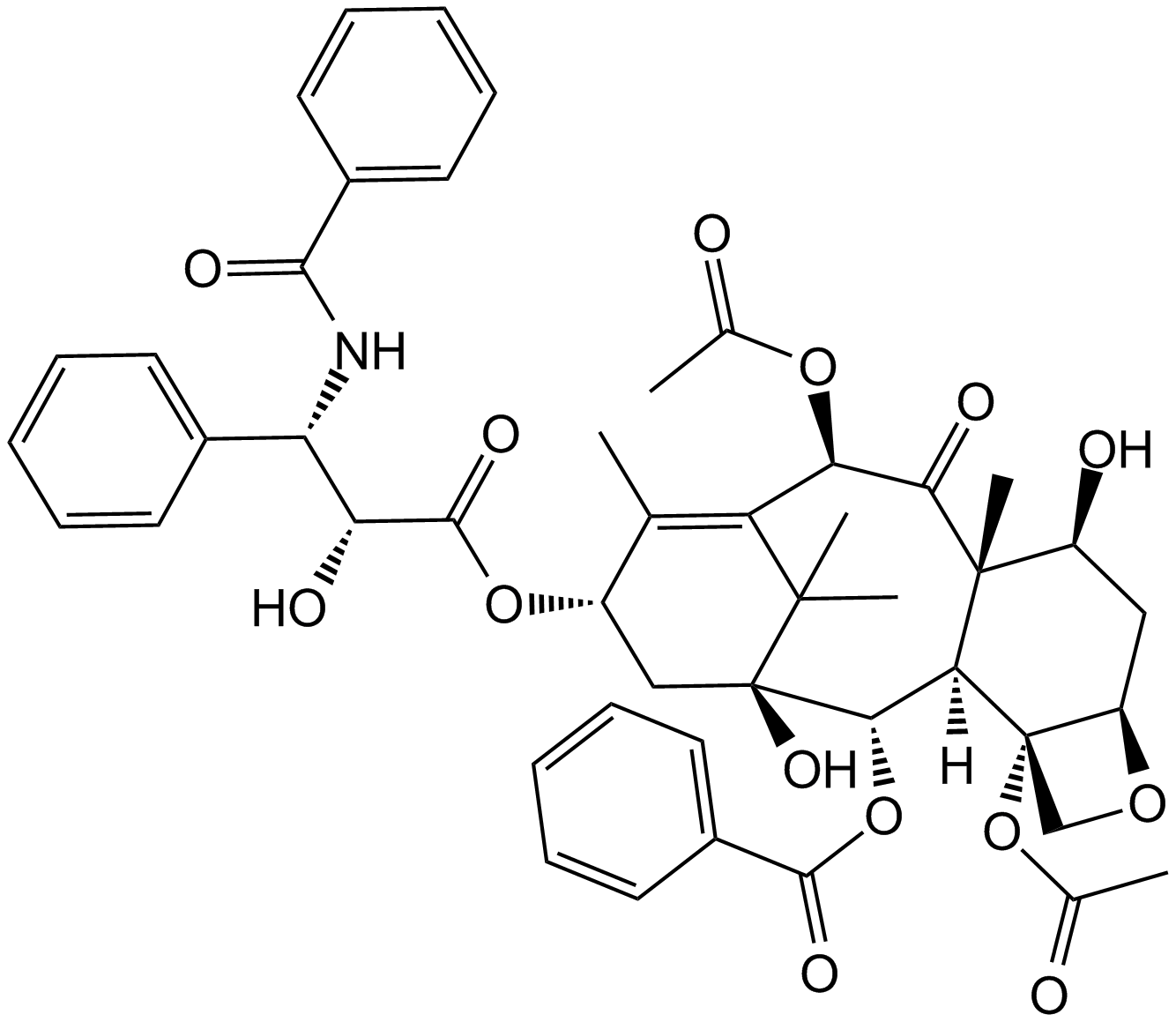 A4393 Paclitaxel (Taxol)28 CitationTarget: Microtubules/TubulinsSummary: microtubule depolymerization inhibitor
 -
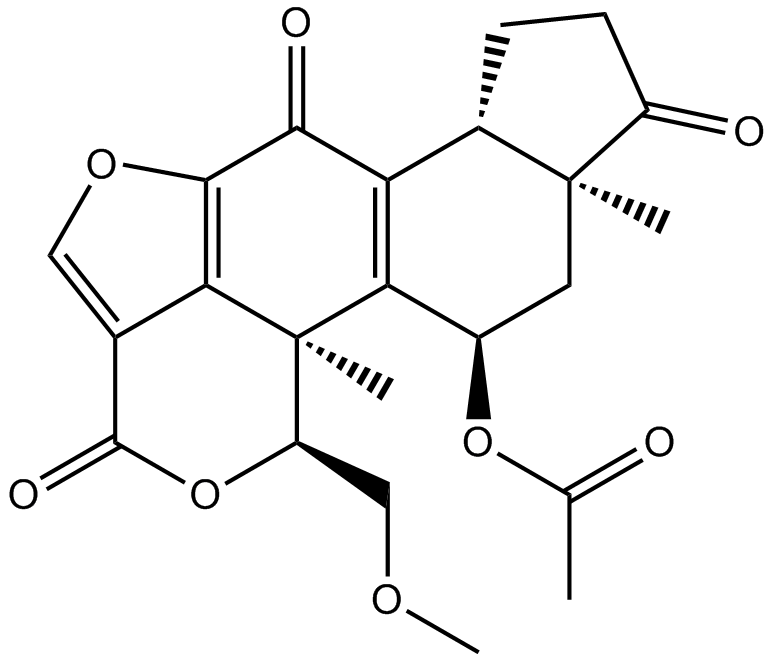 A8544 Wortmannin12 CitationSummary: PI3K inhibitor,selective and irreversible
 -
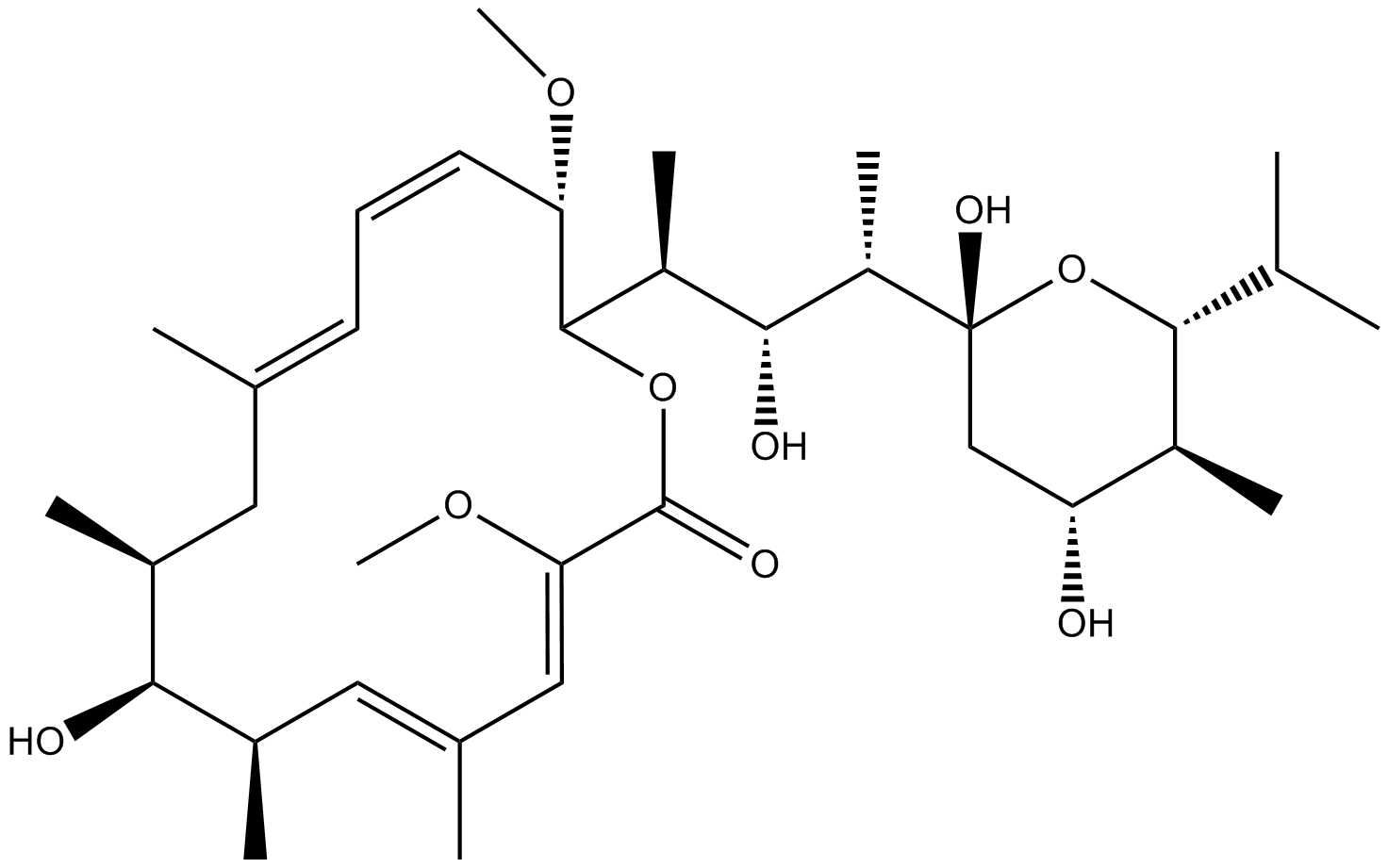 A8627 Bafilomycin A132 CitationSummary: V-ATPases inhibitor
 -
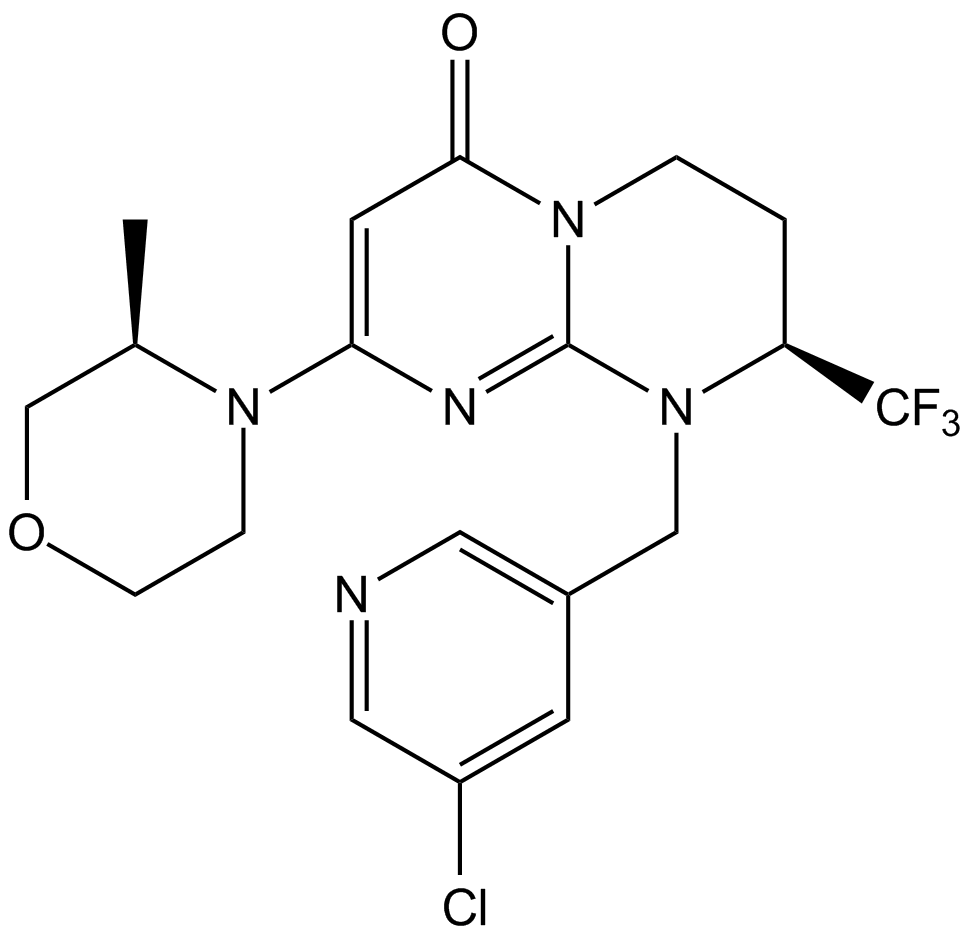 A8883 SAR40533 CitationSummary: Selective ATP-competitive inhibitor of Vps34
 -
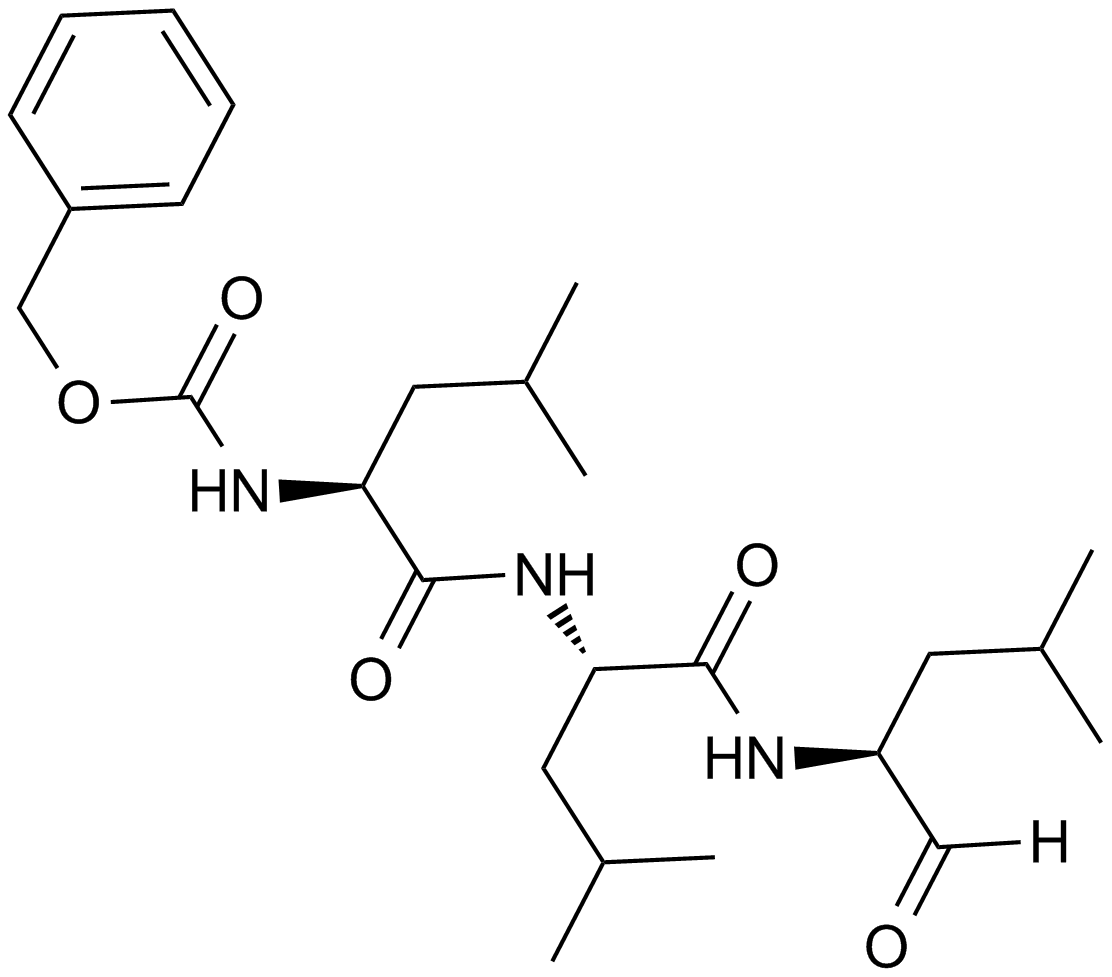 A2585 MG-132130 CitationTarget: ProteasomeSummary: proteasome inhibitor
 -
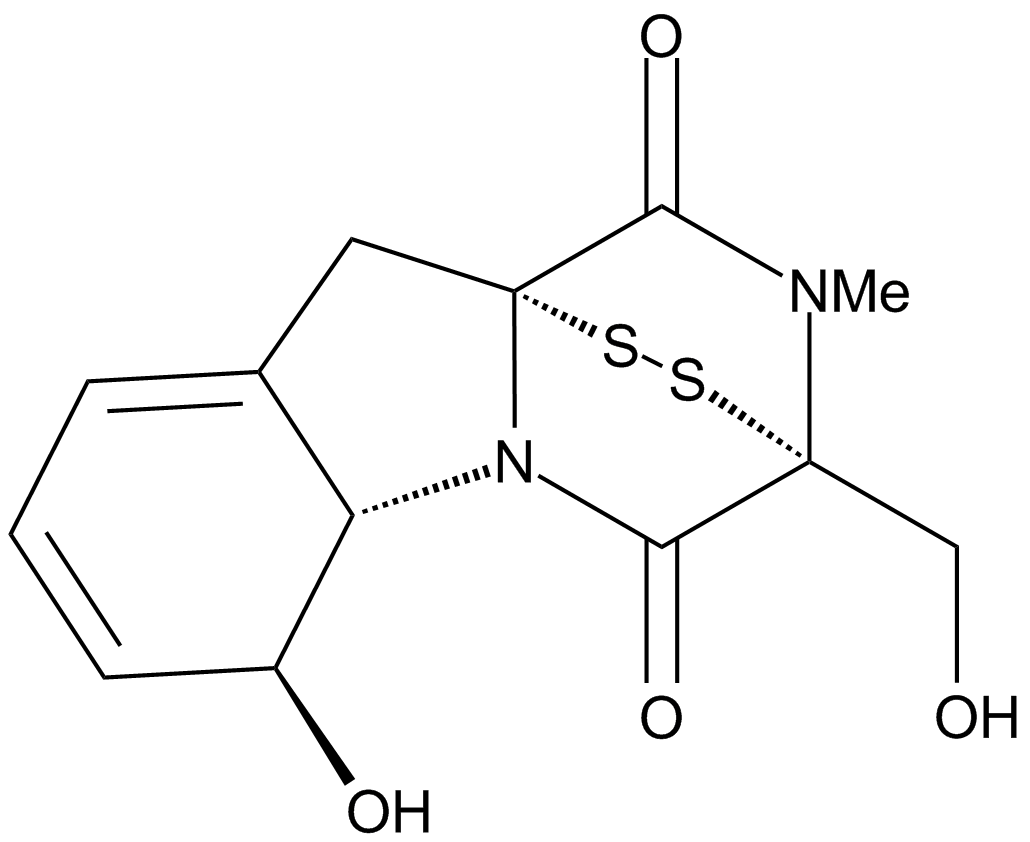 A4443 Gliotoxin1 CitationTarget: 20S proteasomal chymotrypsin|Geranylgeranyltransferase I|FarnesyltransferaseSummary: 20S proteasome inhibitor